Advanced Wound Care Treatments

Chronic wounds are complex. Your care team should be ready for that.

More than 8 million Americans live with a chronic wound, and too many receive care that treats the surface while ignoring the cause. At Wound Care Specialists, we take a different approach. Under the direction of Dr. Lonnie Lassiter II, M.D., every treatment plan begins with a thorough evaluation of your wound, your health, and your life. Healing requires more than a bandage change.

Our Approach

A Framework Built for Complex Wounds

A diabetic foot ulcer in a patient with kidney disease is a fundamentally different challenge than a pressure injury in a patient recovering from surgery. The wound may look similar, but the biology underneath it, and the path to healing, can be worlds apart.

That distinction matters, and it shapes everything we do.

Our clinical approach is built on a structured, three-phase healing framework: Cleaning, Building, and Closing. First, we prepare the wound bed by removing dead tissue and managing infection. Then, we optimize the biological environment so your body can generate healthy new tissue. Finally, we support wound closure and protect the new skin that forms.

But phases alone aren't enough. Chronic wounds stall because something in the body or at the wound site is working against healing. We systematically identify those barriers — uncontrolled blood sugar, poor circulation, inadequate nutrition, swelling, pressure on the wound, underlying infection — and address each one as part of your treatment plan.

This is what separates wound care that works from wound care that doesn't: the willingness to look beyond the wound itself and treat the whole patient.

1

Cleaning

Prepare the wound bed by removing dead tissue and managing infection to create a foundation for healing.

2

Building

Optimize the biological environment so your body can generate healthy new tissue and begin the repair process.

3

Closing

Support wound closure and protect the new skin that forms, preventing recurrence and restoring function.

What We Offer

Our Treatment Capabilities

Every treatment we use serves a specific purpose in your healing plan, chosen based on what your wound needs and what your body needs to support it.

Wound Debridement

Clearing the path so healing can begin.

Healing cannot begin in a wound bed cluttered with dead, damaged, or infected tissue. Debridement is the clinical process of removing that tissue, and it's often the most important first step in chronic wound care. Our clinical team uses sharp, enzymatic, and autolytic debridement methods depending on the wound's condition and your comfort. The method matters less than the judgment behind it: knowing what to remove, how deep to go, and when to stop. In many cases, debridement must be repeated at regular intervals because biofilm, a stubborn layer of bacteria, can reform on the wound surface within 24 to 48 hours.

Learn more

Advanced Dressings & Biologics

Bioengineered materials that support your body's repair process.

When a wound has stalled despite proper debridement and infection control, the biology at the wound site may need direct support. Skin substitutes and biological grafts provide a scaffold of collagen, growth factors, or living cells that can jumpstart tissue regeneration. We use acellular dermal matrices, amniotic membrane allografts, and cellular tissue products based on the wound's specific needs. These aren't interchangeable — an amniotic allograft that works well on a clean diabetic ulcer may not be the right choice for a deep surgical wound with exposed tendon. The key to effective use of biologics is timing. Applied too early — before the wound bed is properly prepared and systemic barriers are addressed — even the most advanced product will fail. Our team ensures the wound is ready before we invest in these therapies, which is why our graft take rates consistently exceed national benchmarks.

Learn more

Hyperbaric Oxygen Therapy

Delivering oxygen where your body needs it most.

Your body needs oxygen to fight infection, build new blood vessels, and generate collagen. In many chronic wounds, especially those complicated by diabetes or poor circulation, oxygen delivery to the wound site is severely compromised. HBOT places you in a pressurized chamber where you breathe 100% oxygen, allowing it to dissolve into your blood plasma at significantly higher concentrations. It's FDA-cleared for diabetic foot ulcers, compromised grafts and flaps, chronic bone infections, and radiation-damaged tissue. A typical course involves 30 to 40 sessions, each lasting about 90 minutes. We use HBOT as part of an integrated treatment plan, not as a standalone solution.

Available at our Forest City, NC, clinic location.

Learn more

Negative Pressure Wound Therapy (NPWT)

Controlled suction that accelerates wound healing.

Commonly known as wound VAC therapy, NPWT uses a sealed dressing connected to a pump that applies gentle suction to the wound bed. It removes excess fluid and infectious material, reduces swelling, draws wound edges closer together, and increases blood flow to the area. NPWT is particularly effective for large or deep wounds, surgical wounds that have opened, and wounds with heavy drainage. We offer both stationary and portable systems, allowing many patients to continue therapy at home or in their care facility between visits. The decision to use NPWT, and when to transition away from it, is driven by the wound's healing phase and how it responds to treatment.

Learn more

Compression & Offloading Therapy

Addressing the mechanical forces that prevent healing.

Many chronic wounds exist because of persistent physical forces acting on the tissue. Venous leg ulcers won't heal without compression to counteract blood pooling. Diabetic foot ulcers won't close if the patient keeps walking on them without protection. Compression therapy uses specialized wrapping systems, stockings, or pneumatic devices to improve blood return in the lower legs. Offloading uses specialized boots, insoles, or total contact casting to redistribute pressure away from foot wounds. Both require a thorough vascular assessment first, because applying compression to a leg with inadequate arterial blood flow can cause serious harm. For diabetic foot ulcers in particular, offloading is one of the most evidence-supported interventions available, and skipping it is one of the most common reasons wounds fail to heal.

Learn more

Diabetic Foot Care & Limb Salvage

When every step matters, so does every decision.

Diabetes doesn't just slow healing — it changes the biology of it. Neuropathy masks pain, so patients often don't know a wound exists until it's advanced. Vascular disease limits blood flow to the feet, starving tissue of the oxygen and nutrients it needs to repair. Immune dysfunction makes infection more likely and harder to control. The result: diabetic foot ulcers account for more than 80% of non-traumatic lower limb amputations in the United States. And for patients who undergo a major amputation, the five-year mortality rate exceeds 50%. Our limb-salvage protocols are built to intervene before that outcome becomes inevitable. We perform thorough vascular assessments, coordinate blood sugar optimization, implement evidence-based offloading, and apply advanced wound therapies — all with the goal of keeping patients mobile, intact, and alive.

Learn more

Skin Substitutes & Grafts

Advanced biological scaffolds for tissue regeneration.

When wounds need more than the body can provide on its own, skin substitutes and grafts offer a biological boost. These products provide structural scaffolding and growth signals that help new tissue form where it otherwise couldn't.

Learn more

Nutrition & Whole-Patient Optimization

Healing starts inside the body, not on the wound surface.

Your body cannot build new tissue without adequate protein, calories, vitamins, and hydration. We screen for nutritional deficiencies at every encounter and address the systemic factors that undermine healing.

Learn more

Whole-Patient Care

Nutrition & Whole-Patient Optimization

Healing starts inside the body, not on the wound surface.

Research consistently shows that up to 60% of chronic wound patients are malnourished, and malnutrition is one of the most common — and most overlooked — reasons wounds fail to heal. Your body cannot build new tissue without adequate protein, calories, vitamins, and hydration.

At every patient encounter, we screen for nutritional deficiencies and coordinate with dietary support when needed. We also address other systemic factors that undermine healing: uncontrolled blood sugar, anemia, edema, medication side effects, and even depression and social isolation, which research has linked to slower wound healing and higher complication rates.

This isn't a side note in our care model. It's central to it. A wound that receives perfect local care will still fail if the body behind it isn't equipped to heal.

Your Visit

What to Expect as a Patient

Here's how your care unfolds from the first visit forward.

1

Comprehensive Evaluation

Your first visit is thorough. We assess the wound itself (its size, depth, tissue type, and drainage) and we evaluate the systemic and local factors that may be preventing healing. This includes vascular testing, nutritional screening, medication review, and an honest conversation about your health history and daily life.

2

Personalized Treatment Plan

Based on your evaluation, we build a treatment plan that addresses your wound from every angle: the appropriate healing phase, the barriers specific to your body, and the combination of therapies most likely to move your wound forward. No two plans are alike because no two patients are.

3

Ongoing Treatment & Monitoring

Wound healing isn't linear, and we don't treat it that way. At every visit, we reassess the wound's progress, adjust therapies as needed, and make sure your systemic health is supporting your recovery rather than undermining it. If a wound hasn't shown meaningful progress within four weeks, we re-examine every variable.

4

Closure, Prevention & Long-Term Support

Closing the wound is the goal, but it's not the finish line. Chronic wounds recur when the underlying causes aren't managed long-term. We provide prevention education, coordinate with your care team, and establish follow-up protocols designed to protect the healing we've achieved together.

The Difference

Why This Approach Matters

Not all wound care is the same. The difference between a wound that heals and one that lingers for months, or leads to hospitalization and amputation, often comes down to whether the care team looked beyond the wound surface and addressed what was actually preventing healing.

At Wound Care Specialists, we commit to a level of clinical rigor that treats every variable: the wound's biology, your body's systemic health, and the mechanical and environmental factors at the wound site. This three-dimensional approach is what allows us to take on the wounds that other providers have struggled with, and to deliver outcomes that change our patients' lives.

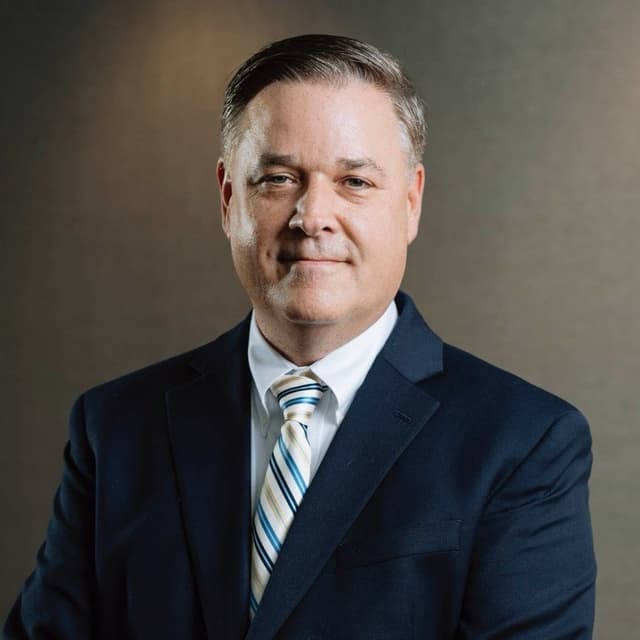
Dr. Lonnie Lassiter II, M.D.

Your Doctor

Treatment Led by One of the Nation's Foremost Wound Care Experts

Dr. Lonnie Lassiter II, M.D., is a board-certified wound care specialist and Fellow of the American College of Clinical Wound Specialists. He has dedicated over two decades to the treatment of chronic and complex wounds, with a particular focus on limb salvage in high-risk patients.

Dr. Lassiter is the author of Cleaning, Building, and Closing: A Practical Guide to Chronic Wound Management, a clinical textbook that outlines the structured, phase-based approach used at Wound Care Specialists. His framework — which organizes wound treatment into three distinct biological phases — has been endorsed by clinicians and educators at institutions including UT Southwestern Medical Center.

Under his direction, our clinical team applies this framework to every patient, ensuring that treatment decisions are driven by the wound's biology, not by habit or convenience. It's this level of clinical rigor that allows us to take on the wounds other providers have struggled with — and to deliver outcomes that change lives.

Meet Dr. Lassiter

Your Wound Deserves Expert Care

Whether you're a patient seeking answers, a family member looking for help, or a care facility in need of a wound care partner, we're here. Request a consultation and let our team evaluate how we can help.

Now serving patients across North Carolina, South Carolina, Virginia, Texas, Tennessee, Florida, and Georgia.