Swollen Legs Are a Wound Waiting to Happen

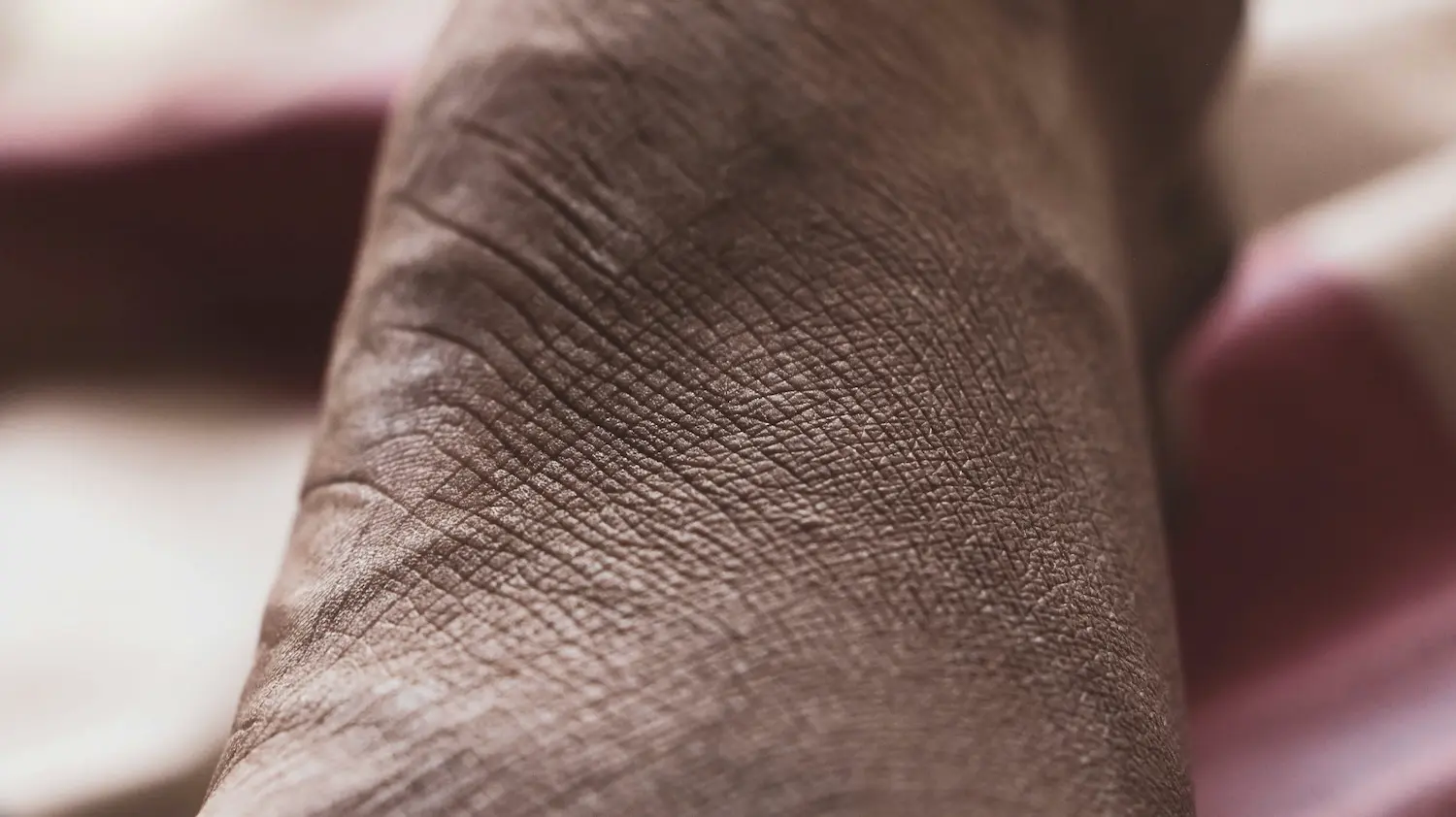
Most of the leg wounds I treat could be seen coming months before they opened. The leg was swollen, tight, itchy and changing color. Plenty of people noticed, and very few treated it as a wound.
That gap produces a lot of avoidable ulcers. Venous disease is the usual driver. In my Textbook of Wound Medicine, I note that venous leg ulcers account for up to 80% of all leg ulcers. Swelling is the common thread.
My name is Dr. Lonnie Lassiter, and I've been a wound care physician for more than two decades.
There's a line in my book I repeat to every new clinician on our team: "Edema is a wound precursor."
Here is what that means, what to look for, and when a swollen leg needs a wound specialist before it ever needs a dressing.
Swelling damages skin from the inside
Healthy leg veins push blood back toward the heart. When the valves fail, pressure builds in the lower leg. Fluid and protein leak out of small vessels and into the tissue.
The lymphatic system is supposed to carry that fluid away. In fact, it clears almost all of it. Years of extra load wear the lymphatics out, and the fluid stays put.
Waterlogged tissue is starved tissue. Oxygen has farther to travel to reach skin cells. Inflammation settles in, and the skin turns stiff, dry and fragile.
None of this needs a cut or a bump to start. I wrote in the book that "Edema injures skin before it breaks it." For a leg with long-standing, untreated swelling, breakdown becomes "a matter of when, not if, unless edema is aggressively managed."
Five skin changes that show up before a leg wound opens
You don't need a medical degree to spot these. Home health nurses, aides, facility staff and family members see them first.
- Brown or rust-colored staining around the ankles. Red blood cells leak into the tissue and leave iron pigment behind.
- Hard, tight, "woody" skin above the ankle. Chronic inflammation scars the fat under the skin. The medical term is lipodermatosclerosis.
- Dry, scaly, itchy or crusted skin on the lower leg. This is often called stasis dermatitis.
- Small white, star-shaped scars with tiny red vessels around them. They mark spots where the skin already lost blood flow once.
- Skin that stays wet or weepy. A leg that leaks fluid is a leg whose drainage system is overwhelmed. As I put it in the book, "Periwound maceration more often reflects lymphatic overload than infection."
Patients usually describe the same story along with these changes: heaviness, aching, itching, and swelling that gets worse when the legs hang down. That history matters as much as the exam. The National Library of Medicine's MedlinePlus guide to venous insufficiency lists many of the same signs. They include thickened, hardened skin and slow-healing ulcers.
Red and swollen doesn't always mean cellulitis
Swollen legs are often red. Many patients referred to us have had more than one round of antibiotics for "cellulitis." Often it turns out to be venous inflammation.
I put it directly in the book: "Redness does not always indicate infection; it may reflect reactive hyperemia or venous stasis." Redness in both legs, without fever, points toward the veins far more often than toward bacteria.
That said, some red legs are infected. A hot, painful, quickly spreading red area, or a fever, needs a call to the patient's provider that day.
When compression doesn't work, look at the lymphatics
Compression is the backbone of treatment for venous swelling. It has to be done safely. "Always confirm arterial sufficiency before compression," I wrote, because squeezing a leg with poor arterial flow can cause harm. That's why we check an ankle-brachial or toe-brachial index before we wrap.
Some patients stay swollen even in good compression. Those are the patients who end up labeled "noncompliant." Often the problem is the drainage system itself. In the book: "Edema that remains despite high-quality compression suggests lymphatic failure, cardiac overload, or persistent obstruction, not patient nonadherence."
Those patients need more than a tighter wrap. Elevation, walking, pneumatic compression devices and manual lymphatic drainage all help, along with a look at the heart and kidneys. You can read more about how we approach compression and offloading therapy.
I treat a leg like that as seriously as an open ulcer. The skin hasn't broken yet, and that's the best time to start.
Prevention is the treatment
Venous ulcers respond when the pressure is controlled. With adequate compression and acceptable arterial blood flow, 70% to 80% heal within 12 weeks. The problem is what happens next: Recurrence rates exceed 60% to 70%.
So, the plan doesn't end when the skin closes. For most patients, that plan includes:
- Compression stockings for the long term, replaced every three to six months
- Raising the legs for about 30 minutes, three or four times a day
- Daily walking and calf exercises to keep the calf muscle pumping
- Moisturizer to keep the skin from cracking
- Regular follow-up so swelling is caught when it creeps back
Recurrence depends more on habits and adherence than technology. I wrote that line for clinicians, but it's just as useful for families. The daily routine is the treatment. A patient's specific plan should always come from their own provider.
When should you refer a swollen leg to a wound specialist?
Waiting for an open wound wastes the best window for treatment. Consider a referral when you see:
- Any of the five skin changes above, even with intact skin
- Swelling that doesn't improve with compression the patient is actually wearing
- Repeated antibiotics for "cellulitis" in the same leg
- Any break in the skin on a swollen leg, however small
- A history of leg ulcers, given how often they come back
- A patient who can't tolerate compression wraps
Our physician-led team sees patients at home and in facilities. If you're a nurse, case manager or facility leader, you can start a referral here. If you're a family member, share this article with your loved one's doctor or nurse. Ask whether a wound specialist should take a look.
This article is for general education. It isn't medical advice and doesn't replace an exam by a qualified provider. If you're worried about a wound or a swollen leg, contact your provider.