12 Things People Get Wrong About Wounds

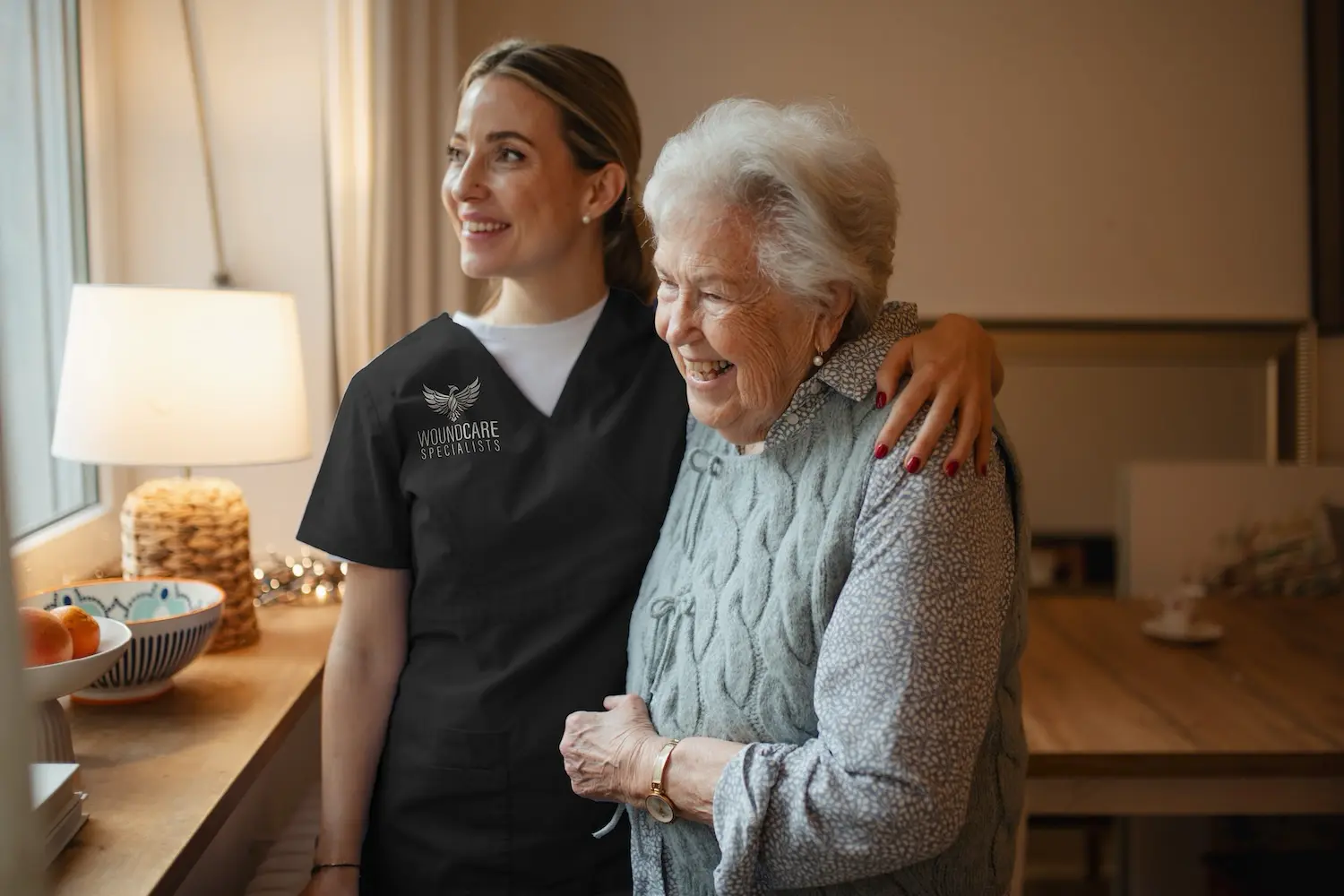
If you're changing a wound dressing day after day and the wound looks the same, it's reasonable to wonder whether you need a different product. But chronic wounds can stall because of poor blood flow, pressure, swelling, infection, or problems elsewhere in the body. A new dressing alone may leave those barriers untouched.
My name is Dr. Lonnie Lassiter, and I wrote the Lassiter Textbook of Wound Medicine to explain how those pieces fit together. The goal is to understand what's holding a wound back before deciding what to put on it. That matters whether you're a nurse managing treatment, a clinician making a referral, or a family member helping someone at home.
These 12 wound care myths can make that decision harder. Understanding them gives you a better starting point for a conversation with the treating team.
1. A chronic wound is a skin problem
A chronic wound often reflects problems that reach beyond the skin. Diabetes, kidney disease, poor nutrition, and inadequate blood flow can interfere with healing. Pressure and swelling can keep damaging tissue locally. The dressing has a job, but the plan also needs to address the conditions keeping the wound open. That doesn't mean the person changing the dressing has done anything wrong.
2. If it isn't healing, it needs a stronger product
A stalled wound needs its cause reassessed before another product becomes the answer. In my textbook, I describe “dressing shopping”: changing products without understanding why healing has stopped. A different dressing may help, but only if it addresses an identified need. The useful question for the treating team is specific: what barrier are we treating, and how will we know the change is working?
3. A wound clinic and house calls differ only by location
The setting changes what care is accessible and what the clinician can observe. A home visit can reveal practical obstacles involving footwear, pressure relief, supplies, or caregiver support. A clinic may offer equipment or services that aren't available at home. Neither guarantees better care. The patient needs a setting that supports the evaluation and treatment required, with a plan that can be followed between visits.
4. Skin substitutes heal chronic wounds on their own
Skin substitutes can support healing in selected wounds, but they don't replace treatment of the underlying barriers. These products provide materials or signals that support tissue repair. Their usefulness depends on the wound, the product, and the care around it. Blood flow, infection, pressure, swelling, and the patient's overall health need attention before and during treatment. Adding an advanced product doesn't remove that responsibility.
5. Redness means infection and calls for antibiotics
Redness alone doesn't establish that a wound is infected. Pressure, swelling, and inflammation can also cause it. Clinicians consider the whole picture, including increasing pain, warmth, drainage, spreading redness, and changes in the wound. Infection can be present without fever. New or worsening symptoms deserve prompt clinical assessment; the point is to identify infection accurately rather than either assume it or dismiss it.
6. Wet-to-dry dressings are a safe default
Wet-to-dry gauze can remove healthy tissue along with material that needs to come out. As the gauze dries and is pulled away, it can damage developing tissue and make dressing changes painful. That's why it deserves scrutiny when it's continued as a routine order. If you're caring for someone with this dressing, ask the prescribing clinician why it's being used and whether a less traumatic option fits the wound.
7. Silver on every wound is playing it safe
Silver has antimicrobial properties, but that doesn't make a silver dressing the right choice for every wound or indefinitely. The reason for using one should be clear, and its continued use should be reassessed as the wound changes. My textbook cautions that prolonged exposure can harm cells involved in tissue repair. Dressing selection should follow the wound's current needs, including whether an antimicrobial is still needed.
8. Compression can wait until the wound calms down
For a venous leg ulcer, treating swelling is part of treating the wound. Excess pressure in the veins contributes to the problem, so an appropriate compression plan often needs to begin while the wound is still open. Circulation must be assessed first. An ankle-brachial index, or ABI, can help, but it can be misleading in diabetes or kidney disease; toe-pressure or other testing may be needed. Compression should be clinician-directed.
9. A slow wound just needs more time
A wound that isn't progressing needs a review of the diagnosis and the treatment plan. In the textbook, I use a four-week checkpoint to make that review deliberate: reassess blood flow, pressure, infection, nutrition, and the response to care. It isn't a reason to wait four weeks before seeking help. A worsening wound needs attention sooner. My guide to why a wound won't heal explains this distinction in more detail.
10. Amputation is a last resort, so there's time to wait
A diabetic foot wound can threaten a limb when poor circulation, infection, or continued pressure goes unaddressed. Calling amputation a last resort shouldn't delay evaluation of those problems. Early assessment gives the team an opportunity to identify what can be treated and whether vascular or surgical care is needed. Some wounds still require amputation despite appropriate care. Promising otherwise would mislead patients and families.
11. Closed means done
Closed skin still needs a prevention plan because the conditions that caused the wound may remain. Depending on the cause, that can mean prescribed compression for venous disease, protective footwear and pressure relief for a diabetic foot, or repositioning and support surfaces for a pressure injury. At WCS, Clean, Build, and Close describe our main healing goals. Prevent is the educational component: helping patients and caregivers understand how to protect that progress.
12. Hospice patients don't need wound care
Hospice patients may benefit from wound care focused on comfort and their individual goals. Pain, odor, drainage, and distress during dressing changes still deserve treatment. When closure isn't realistic or isn't the patient's priority, the team can choose approaches that reduce discomfort and unnecessary disruption. A wound plan should fit the person's goals, including the hospice plan of care. As I write in the textbook, “Dignity is an outcome. Measure it.”
When should you ask for a wound specialist?
If the dressing keeps changing but progress doesn't, ask the treating team to explain the barrier, the treatment goal, and when the plan will be reassessed. You don't need to arrive with the answer. If the reason for the stalled healing remains unclear, a specialist assessment can help.
Wound Care Specialists is a physician-led practice that makes house calls and sees patients in facilities. Clinicians, referral coordinators, and family caregivers can start a referral here. We'll review the patient's needs and whether WCS is an appropriate fit.
This article is educational. Discuss treatment changes with the treating clinician rather than changing dressings, compression, or prescribed medication yourself.